

Luxury buyers do not fall in love with square footage on a spreadsheet. They fall in love with a feeling on a phone: proportion, light, a room that looks lived-in by someone with taste and emptied of anyone else’s life. That is why staging at this tier is not a weekend fluff job. It is the product.
The mistake most expensive homes still make is visible from the first swipe. Either the rooms are overfilled — every surface styled, every pillow fluffed into a catalogue pose — or they are emptied into a cold architectural shell that photographs like a vacant museum. Editorial presentation sits between those poles. It looks collected, warm and inevitable. It does not look staged.
This fall, when inventory returns after Labor Day and liquid buyers tour with sharper criteria — the same intentional market framed in Cash Buyers vs. Rate-Sensitive Shoppers: Who Wins Luxury Inventory This Fall — presentation is not optional polish. It is how a correctly priced house earns its first ten days of traffic.
Edit first. Stage second.
Before a single rental sofa arrives, subtract. Luxury photography rewards space, light and finish quality more than furniture volume. Thin the rooms until the architecture can breathe: remove half the accessories, clear counters to a few intentional objects, take down personal photography, and pack collections that will distract or raise privacy concerns once the listing lives forever online.
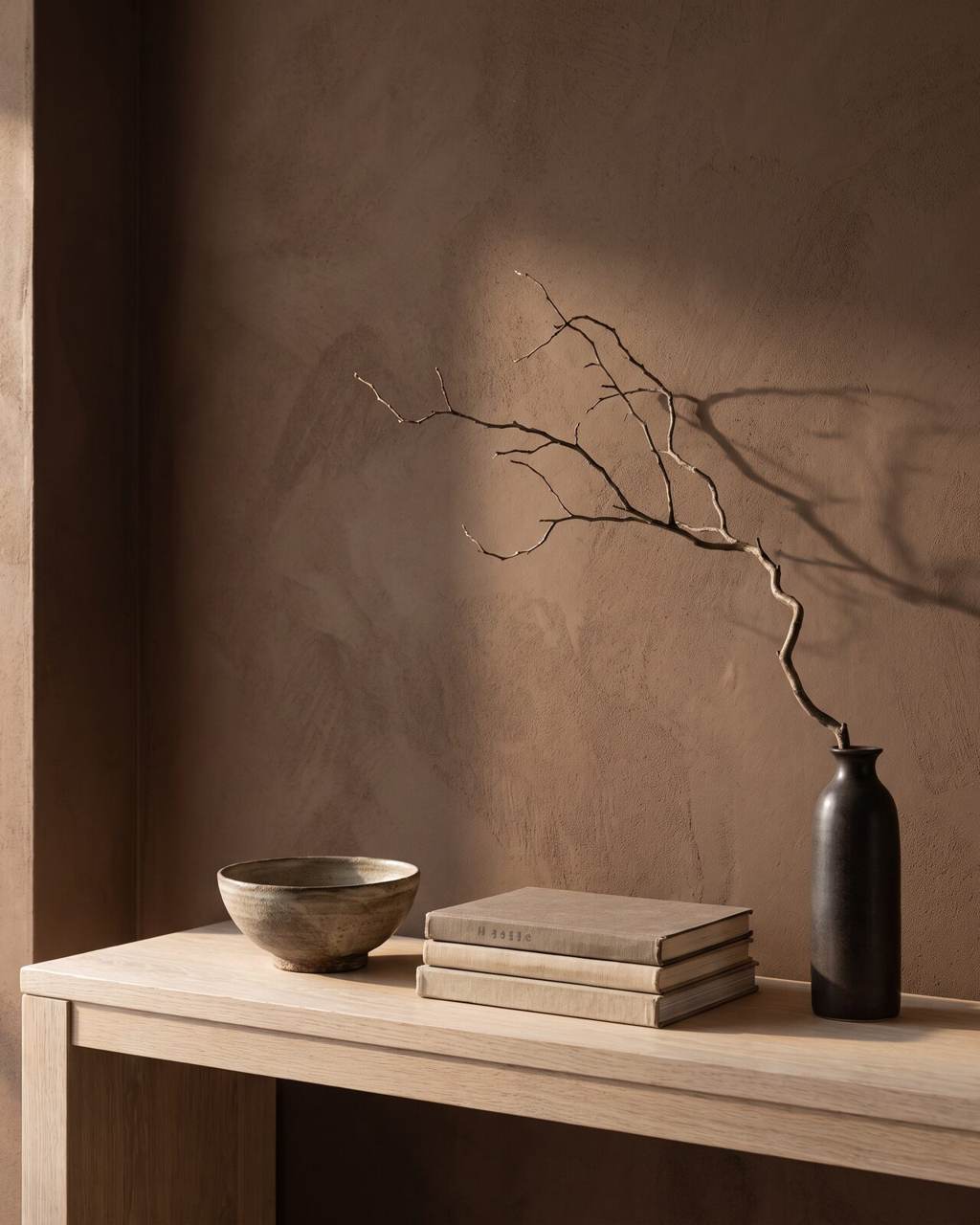
Depersonalise thoroughly, then stop short of sterilising. A single well-placed object — a stone bowl, a stack of clothbound books, a branch in a quiet vessel — reads as habitation. Twenty objects read as a prop house. The editorial test is simple: if a detail looks like it was placed for the camera, remove it.
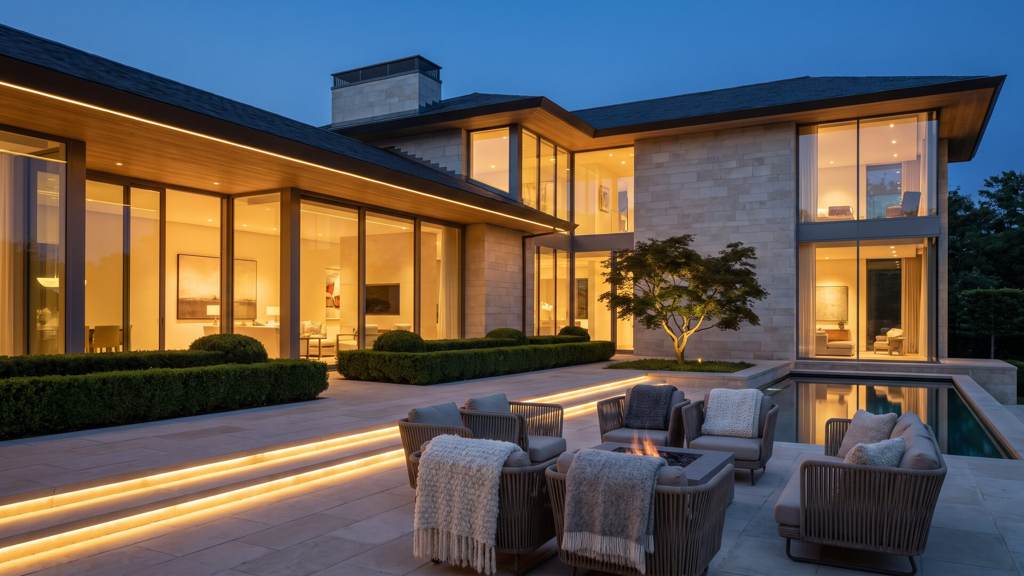
Priority rooms carry the listing: entry, primary living spaces, kitchen, primary suite and the signature outdoor rooms. Spread a staging budget thin across every bedroom and you dilute the frames buyers actually dwell on. Grounds deserve equal billing on estates — landscape refresh, exterior lighting that supports twilight, pools and terraces dressed for the season — because land and outdoor living are headline features, not afterthoughts. Pair the indoor edit with the outdoor brief already on Luxury Hôm in Beyond the Patio: Designing an Outdoor Living Space for the Fall Season.
Quiet luxury that photographs, not “model home” theatre
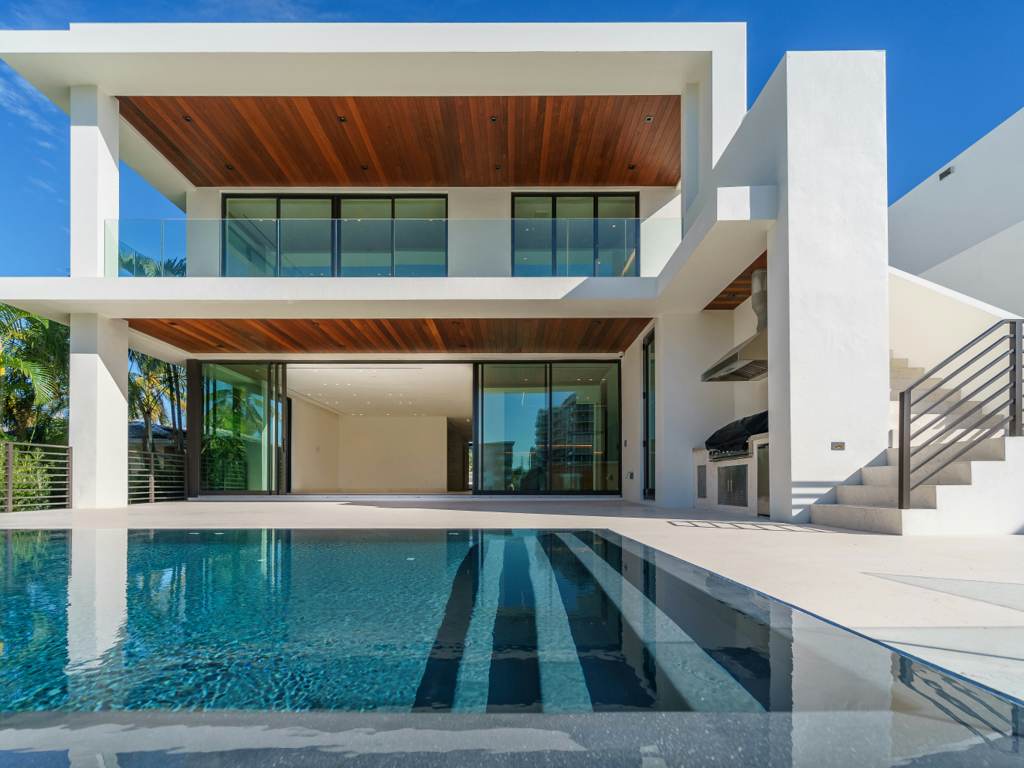
Warm restraint wins the scroll. Cream and mineral neutrals, subtle metallics, tactile textiles and negative space communicate value more cleanly than saturated staging kits borrowed from mid-market playbooks. Match furniture scale to the architecture: a modern glass pavilion wants different lines than a timbered estate or a Spanish colonial. Materials matter. So does the decision to leave a corner empty. Let colour deepen the mood without shouting — the same restorative fall sensibility explored in The New Fall Palette: Rich, Restorative Colors for the Luxury Home.
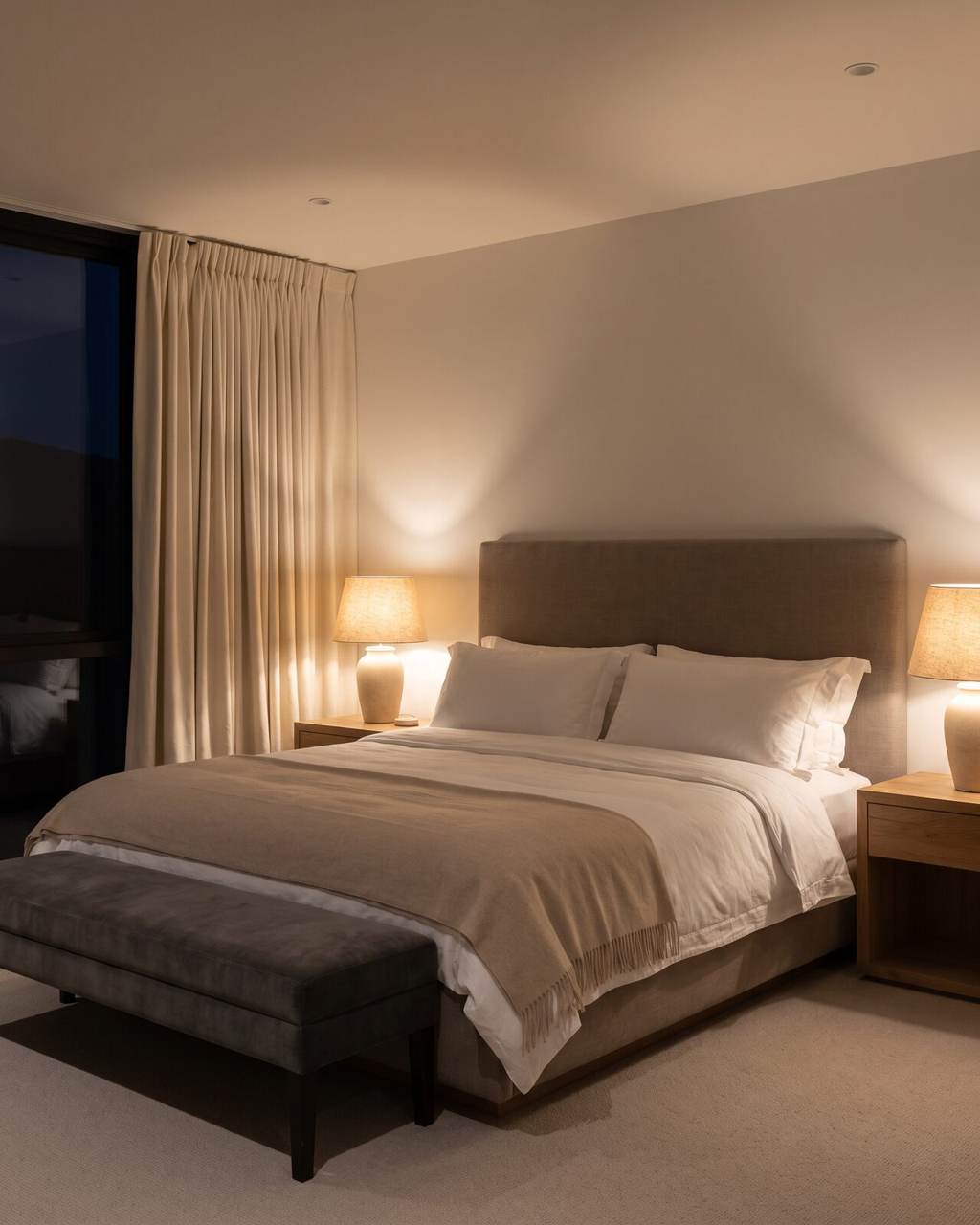
Lighting is half the staging. Rooms that feel editorial after dark need controlled brightness: dim overheads that flatten faces, add shaded lamps where conversation happens, and make sure exterior fixtures work for twilight frames. A house that only looks expensive at noon is half-marketed.
Avoid the tells that scream “staged”: identical throw-pillow pyramids in every room, artificial orchids in matching pots on every console, dining tables set for twelve with unused china, and rugs that fight the floor’s existing story. Prefer one strong vignette per room over five weak ones. If the home is meant to host, style for gathering the way The Art of Autumn Entertaining describes — inviting, not theatrical.
Direct the photography like a feature, not an MLS checklist
Editorial-grade listing photography is directed, not merely ordered. Plan a short prep runway — roughly two weeks is a useful dividing line between a home that looks styled and one that looks hastily dressed — so cleaning, landscape, lighting repairs and stylist walk-throughs finish before the shutter. The photographer should understand the house’s hero angles before shoot day: the stair that carries light, the view corridor, the kitchen island that defines the plan, the primary bath that buyers will crop and save.
At the luxury tier, daylight interiors alone are rarely enough. Twilight exteriors and, where the lot or waterfront justifies it, aerial context have become baseline expectations rather than upgrades in competitive metros. Video walkthroughs help remote buyers feel flow and scale; treat them as part of the same visual language, not a separate weekend experiment. Virtual staging can rescue empty secondary rooms when physical staging is inefficient — but only on strong source photography, and only when the digital furniture respects the architecture. Weak photos plus heavy virtual décor still look fake.
Fewer stronger images beat a gallery of forty indifferent wide shots. Ask for compositions that mirror design publications: deeper frames, intentional negative space, detail crops of stone, plaster, metal and millwork. The goal is not to document every closet. It is to make a serious buyer forward the listing in a private text thread.
What sellers should do this week
Price and presentation move together. A sticky ask with unfinished photography invites the wrong negotiation. Liquid buyers discount projects efficiently; they pay for certainty when the house looks complete on first scroll — a lesson that shows up again in regional heat markets such as Florida’s Luxury Split: Why Miami and Tampa Are Outrunning the Nation, where scarce top-tier inventory still rewards listings that feel finished.
Schedule media after the edit, not before. Shooting a cluttered house and “fixing it in post” wastes the most expensive hour on the calendar. Finish subtraction, selective staging and lighting, then shoot.
Protect privacy while you market. Remove or secure valuables and identifying art before anything is published. Luxury media lives online indefinitely; editorial does not require autobiography.
Align staging with who can close. Fall’s two-speed buyer pool still clears homes that photograph as complete. If you are courting cash and rate-insulated demand, every frame should answer the same quiet question: Is this house ready?
The editorial scorecard
Seller staging that photographs like editorial is an act of editing more than decorating. Subtract until the architecture speaks. Style with quiet luxury and real materials. Light for evening as well as noon. Direct photography for mood, not for a room-by-room inventory. Then price into today’s comps and let the first ten days of traffic do their work.
Luxury Lives Here is a claim buyers test on a screen before they ever cross a threshold. Make the screen tell the truth — beautifully — and the showing becomes confirmation, not discovery.
Sources informing this edit include 2026 luxury listing-preparation and photography practice guidance from market practitioners (edit-first staging, quiet-luxury palettes, twilight and drone baselines for upper-tier listings) and Luxury Hôm’s own Market framing on intentional, presentation-sensitive buyers this fall. No fabricated statistics.