

For much of the last decade, luxury marketing led with views, square footage, and the entertaining plan. Those still sell. What has moved from the footnotes into the brief is quieter and harder to photograph in a single hero shot: whether the house can keep a household private, protected, and operational when the grid, the street, or the guest list does not cooperate.
Security and privacy are no longer specialty requests reserved for celebrity listings or ultra-gated compounds. They have become a mainstream luxury amenity language — closer to wellness infrastructure than to alarm-company kitsch.
Sotheby’s International Realty’s 2026 Luxury Outlook reported that 81% of affiliated agents cite security as a top concern, with gated access, CCTV, backup power, and even panic rooms increasingly common in the conversation. A related agent read on privacy put property visibility near the top of client worry lists — nearly 44% ranking sightlines onto the home as a primary concern. The market is not asking for fortress aesthetics. It is asking for composure.
Soft security first: what buyers feel before they ask about cameras
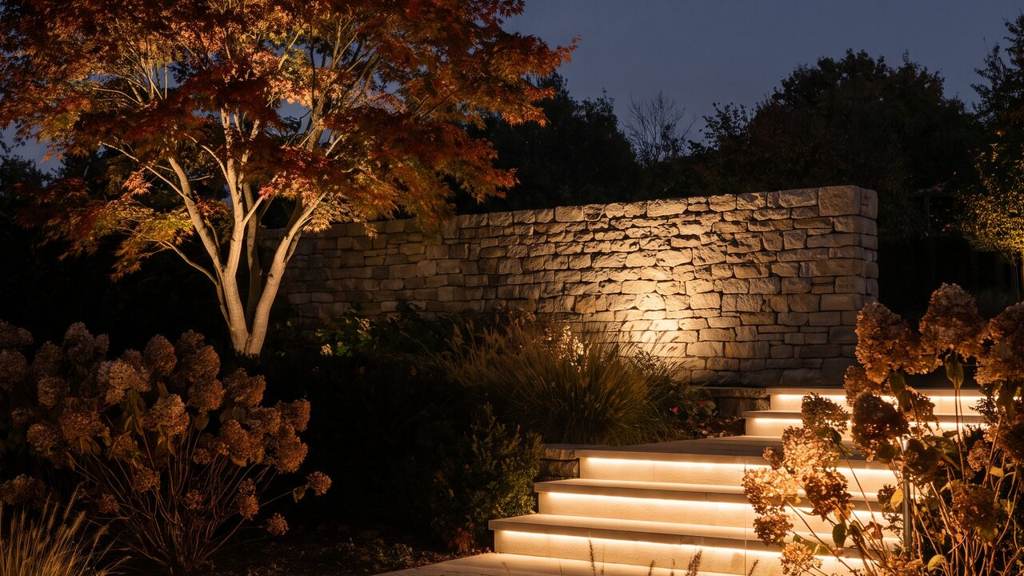
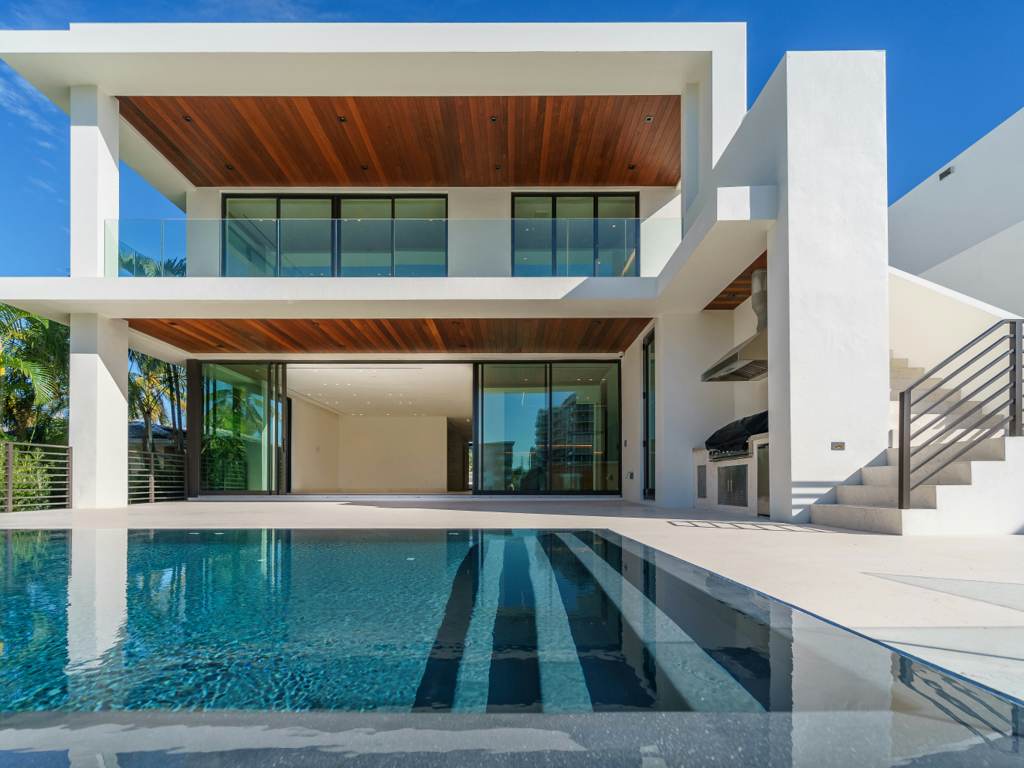
The strongest protection plan often begins where buyers already know how to look — landscape, setbacks, and arrival. Layered planting that interrupts street and neighbor sightlines, a motor court that does not announce every guest to the sidewalk, hedges and screens that shield pool decks and primary terraces, and fenestration that frames views outward without turning the living room into a display case: these are design decisions that read as beauty and function as defense.
That is why privacy landscaping belongs in the same editorial lane as outdoor living. A fall terrace that feels like a room — the brief already on Luxury Hôm in Beyond the Patio: Designing an Outdoor Living Space for the Fall Season — fails the luxury test if every chaise is visible from the street or a neighboring balcony. Soft security is the difference between an outdoor room and a stage.
Buyers also score the invisible site logic: how deliveries and staff arrive; whether a secondary service route keeps the front door ceremonial; whether bedrooms and baths face protected courts rather than public edges. In competitive metros where upper-tier inventory moves with intention — the same Florida heat framed in Florida’s Luxury Split: Why Miami and Tampa Are Outrunning the Nation — privacy is part of lifestyle fit, not a paranoid afterthought.
Hardened layers that stay quiet
Hardware matters when it disappears into the architecture. Controlled or gated access that feels inevitable rather than theatrical; impact glazing and reinforced entries where climate and risk justify them; discreet cameras aimed at thresholds, motor courts, and perimeter edges rather than leisure zones; smart locks and monitored alarms that integrate with lighting and shading; and backup power that keeps climate, access, and communications alive through an outage — these are the hardened layers that serious buyers now tour for.
Placement is the new filter. Cameras that protect an arrival sequence reassure; cameras that seem to watch a pool edge, primary-suite approach, or neighbor-facing terrace can sour the emotional reading of a house that is otherwise perfect. The refined plan answers practical questions without making the residence feel clinical: who can view footage, how long it is retained, which zones are monitored, and whether angles can be adjusted after closing. Technology that requires a wall of gadgets loses to systems that manage security, lighting, climate, and shading from a single, calm interface.
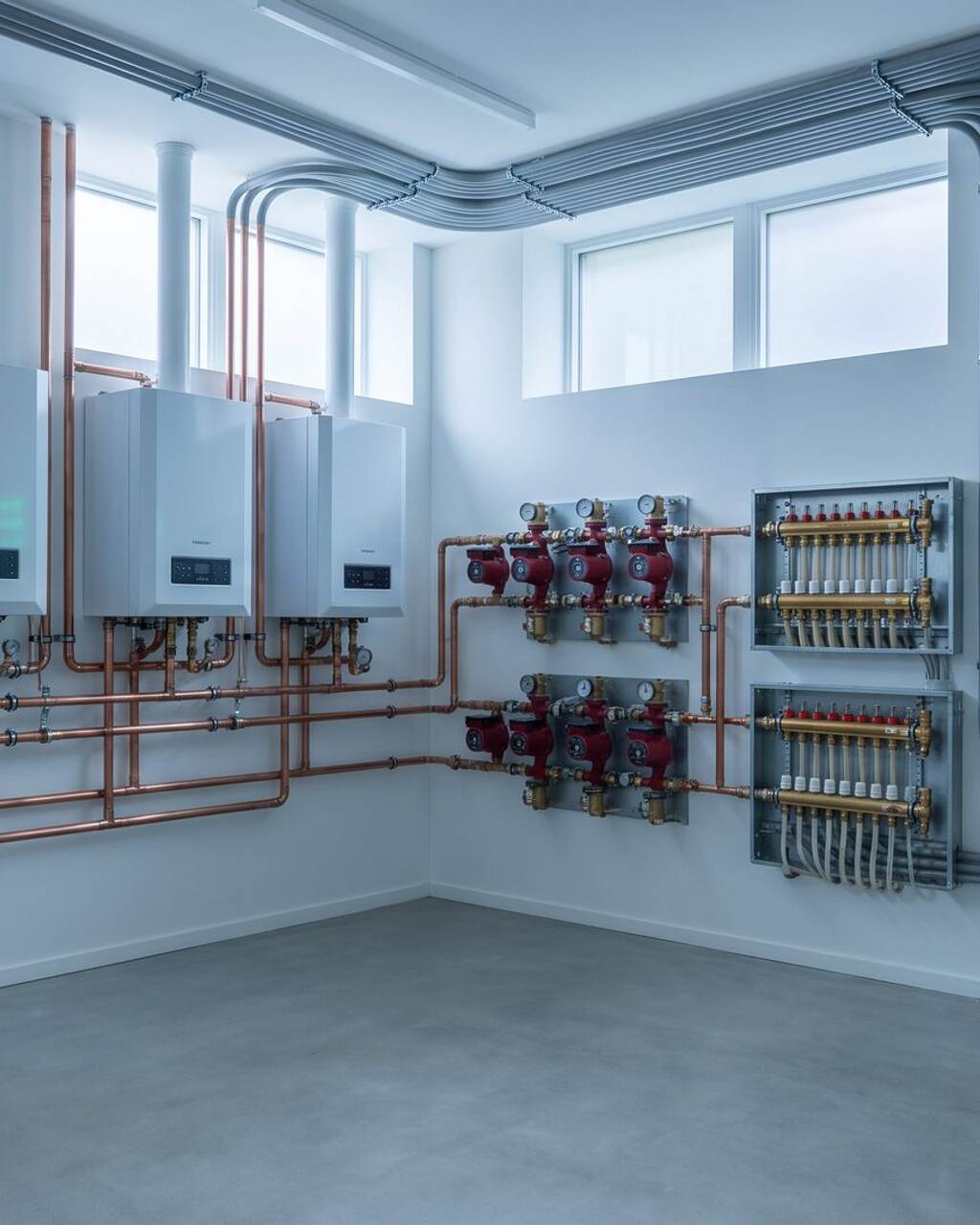
Safe rooms and panic-capable spaces still appear in the ultra-high end, but the more common ask is compositional: a house that can lock down gracefully, shelter household and staff, and keep essential systems online. Backup power belongs on that list as firmly as CCTV. An estate that goes dark in a storm is not merely inconvenient — it is temporarily undefended.
How sellers should present protection without looking paranoid
Presentation is half the story. Liquid, intentional buyers — the same two-speed pool described in Cash Buyers vs. Rate-Sensitive Shoppers: Who Wins Luxury Inventory This Fall — discount uncertainty. They reward clarity. A one-page protection brief for the listing file beats a sales-center speech: access layers, camera zones (with restraint), monitoring partners, generator capacity and transfer logic, impact or structural upgrades, and landscape privacy that is mature rather than aspirational.
Photograph and stage with privacy in mind. Editorial listing media should sell composure, not expose valuables, art, or identifying personal detail — the same edit-first discipline in Seller Staging That Photographs Like Editorial (Without Looking Staged). Show the motor court at twilight, the screened terrace as a finished room, the discreet panel that proves systems exist without turning the gallery into a security brochure. Leave the panic room off the public marketing copy unless the buyer pool expects it; save the full tour for qualified showings.
Pair the security story with ordinary estate readiness. Generators, filtration, roof and envelope integrity, and seasonal systems checks are part of the same value-protecting language as fall maintenance — see The Luxury Home Fall Maintenance Checklist. Buyers who care about privacy usually care that the house will keep performing when weather and infrastructure are imperfect.
The buyer tour checklist
On a showing, ask in this order:
- Sightlines — Stand where you would actually live: dining table, primary bed, pool edge. What can the street, neighbors, and amenity users see?
- Arrival — Does the motor court and front sequence feel controlled without theater?
- Outdoor privacy — Are terraces and water features rooms or stages?
- Access — Gates, locks, guest credentials, staff and delivery routes.
- Surveillance ethics — Zones, retention, who watches, and whether leisure space is over-observed.
- Resilience — Backup power, communications during outage, envelope and impact performance where relevant.
- Integration — One calm system versus a scatter of apps and boxes.
If three or more answers feel improvised, budget for a layered retrofit — or keep shopping. At this tier, privacy is easier to buy correctly than to bolt on later without scars.
Soft to hard, beauty to certainty
Security as a luxury amenity is not a single product. It is a spectrum from soft screening to hardened systems, designed so the house feels composed rather than defended. Landscape and plan do the first work. Access, discreet monitoring, and backup power finish it. Sellers who can describe that stack without alarmism — and photograph it without exposure — meet the mood of 2026 buyers who want lifestyle and certainty in the same purchase.
Luxury Lives Here includes the right to be unseen when you choose to be. The estates that feel most expensive after dark are often the ones that never had to announce how carefully they were protected.
Sources: Sotheby’s International Realty 2026 Luxury Outlook (Jan 2026 PR) on security as a top agent-cited concern (81%) and common features (gated access, CCTV, backup power, panic rooms); Sotheby’s-affiliated “Private Lives” outlook summary on property visibility (~44% top privacy/security concern among surveyed agents); 2026 luxury trade coverage on discreet camera placement, privacy landscaping, and integrated invisible tech. No fabricated statistics.