

A well-kept luxury home doesn't always look new. What it does is keep working. The architecture, the materials and the systems all hold up as the house gets older.
Fall is when that gets decided. A small roof problem in August can be a stained ceiling after the first freeze. An untested generator only matters the night the power goes out. A slow leak in a second home that nobody's visiting can run for days before anyone notices.
A big house needs a maintenance plan that matches how complicated it is, and a generic homeowner checklist won't cover it. You have to look at what's specific to your property: slate or copper roofs, a lot of masonry, radiant heat, snowmelt, elevators, wine storage, rooms set up for art, pools, guest houses and serious automation.
Start with the envelope
The envelope is the roof, the exterior walls, the windows, the doors and the foundation. It's the house's first line of defense against winter.
Book the roof inspection before leaves and bad weather make it hard to get up there. Slate, clay tile, cedar, standing-seam metal and copper each need someone who knows that specific material. The inspection should cover flashing, penetrations, valleys, chimneys, gutters, scuppers and roof drains. On flat or low-slope roofs, make sure the drains are clear and water isn't ponding.
Check copper gutters and downspouts for open seams, loose fasteners and clogs. The patina is fine. Failed joints aren't. Where downspouts feed underground drains, confirm the water actually ends up away from the foundation and the retaining walls.
Look over the masonry for cracks, crumbling mortar, failed sealant and anywhere water could get in and freeze. Have natural stone looked at before anyone puts sealer on it, because the wrong product can change the color, trap moisture, or leave a shine that looks wrong on the house.
Windows and doors matter just as much. Check weatherstripping, thresholds, hardware and drainage channels. Big steel or wood door systems may need adjusting as the humidity changes. Test motorized skylights and exterior shades, and make sure their rain and wind sensors still respond.
Test the heat before you need it
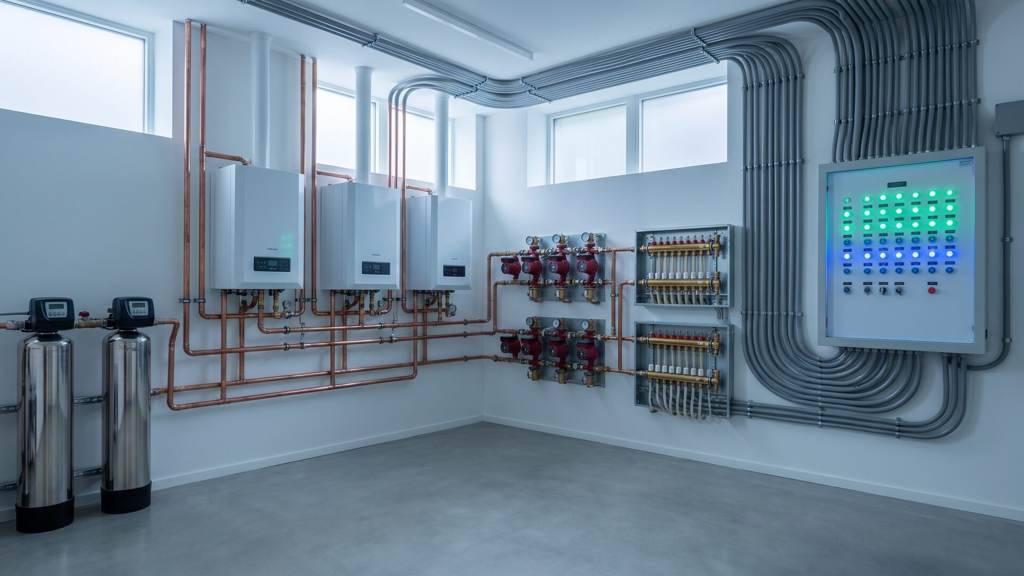
Commission the heating while it's still warm enough outside to leave time for repairs. Have boilers, furnaces, heat pumps and humidifiers serviced on the manufacturer's schedule. Replace filters, have the combustion equipment inspected, and confirm the thermostats and remote controls are talking to each other.
Hydronic radiant floors need extra attention in houses with a lot of zones. Test every manifold and circulation pump and confirm each room gets up to temperature. Turn on the snowmelt at the drive, steps and terraces before it freezes. Check the sensors and the thresholds so the system doesn't kick in too late or burn energy for nothing.
Get fireplaces and chimneys inspected, and cleaned if they need it. On gas fireplaces that means burners, ignition, venting and safety shutoffs. On wood-burning flues, look for buildup, blockages and damaged liners. Make sure the screens and tools are ready, inside and on any outdoor fireplace built into the terrace.
Get ready for outages and leaks
A modern luxury home has to keep running when things go wrong. Service and load-test the standby generator, and make sure it has enough fuel. Know exactly what it runs. In a big house it probably won't carry every circuit, so decide ahead of time what comes first: heat, refrigeration, security, pumps, gates, communications, medical equipment.
Check the battery backups on the network, the security system, the motorized gates and any critical automation too. Replace old batteries before they stop holding a charge.
Water damage is still one of the worst things that can happen to a house. Test the leak sensors at water heaters, laundry rooms, mechanical spaces, kitchens, bars and bathrooms. Exercise the smart shutoff valves and check that the alerts go to the right phones or monitoring service. It's one of the few places where home automation pays for itself in a single event.
In seasonal homes, add temperature and humidity sensors in the rooms most at risk, and have someone check the property in person during long absences. Winterize irrigation, outdoor plumbing, fountains and pool-house lines based on your climate and how each system was built.
Pools, spas and water features
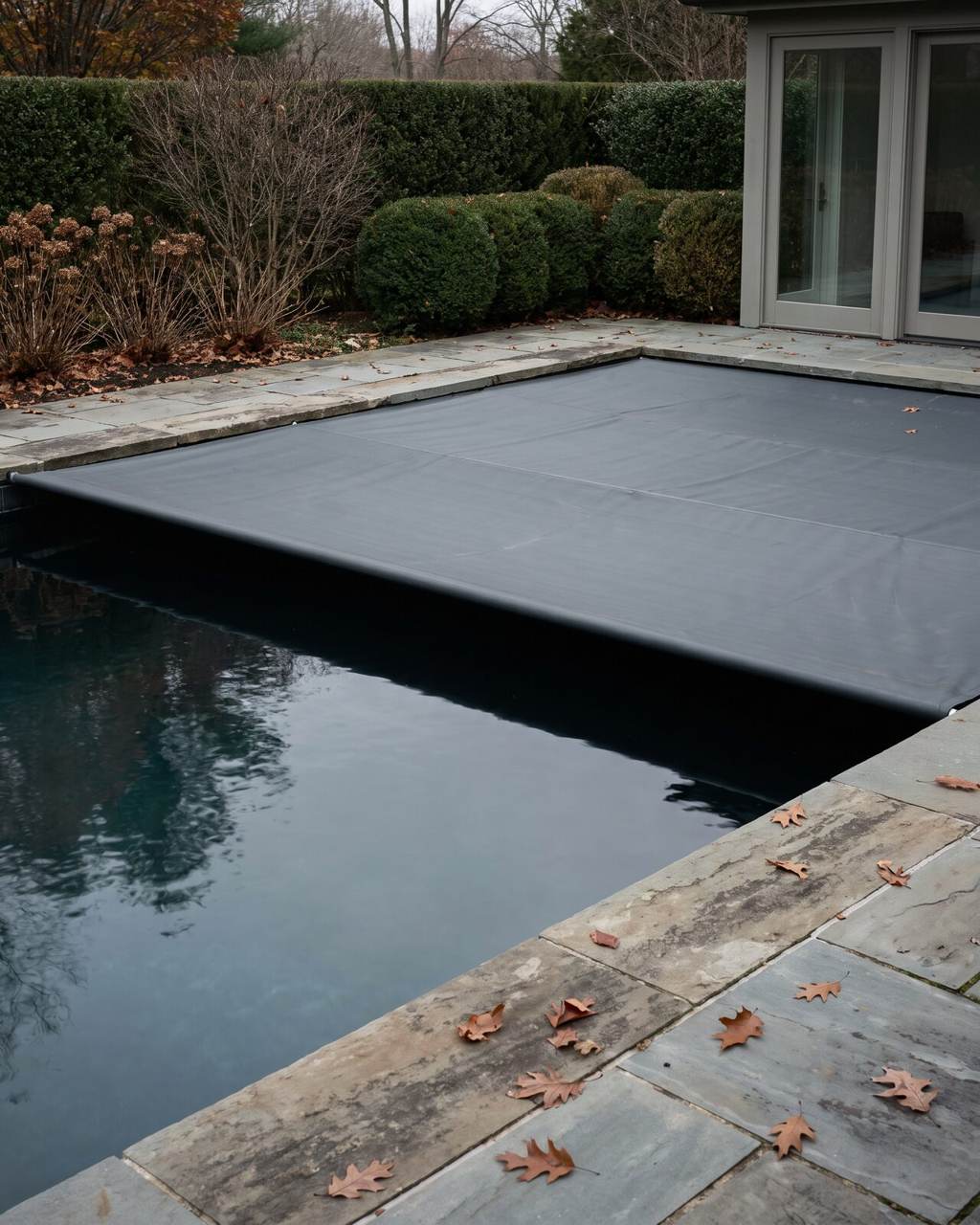
Closing a pool takes more than pulling a cover over it. Balance the water, lower it only as far as your type of pool calls for, protect the lines and equipment, and inspect the cover system. Clean, lubricate and test automatic covers. Safety barriers, gates and alarms have to keep working even when nobody's swimming.
A spa you'll use all winter needs its own service plan. Check that the heater's reliable, the freeze protection works, the water chemistry is right and the way out to it is safe. Heated paths and good lighting make the walk from the house a lot more pleasant.
Fountains and decorative water features vary. Some can run through the cold and others have to be drained and protected. A stone basin can crack if water freezes in it. Clean the pumps, filters and delicate parts and store them the way the maker recommends.
The grounds before dormancy
What you do in the garden this fall shows up next spring. Have an arborist look at mature trees for dead limbs, disease and structural problems before winter storms hit. Any cabling or bracing may need a look as well.
Don't prune everything at once. Different species want pruning at different times, and some flowering plants set next year's buds well before winter. A good horticultural team can work out the timing for your garden.
Check irrigation for leaks, adjust it for the season and winterize it where needed. Drain outdoor hose bibs and protect exposed backflow devices. Clear site drains, window wells and exterior stair drains after the big leaf drop.
Landscape lighting usually gets attention only when a fixture dies. Fall is a good time to re-aim lights that plants have grown over, clean the lenses, swap failed parts and reset timers for earlier sunsets. Make sure paths, gates, service areas and guest parking are well lit.
Interiors, art and wine
Once the house is closed up against the cold, indoor humidity matters more. Air that's too dry can damage wood floors, millwork, furniture and works on paper. Too much humidity brings condensation and mold. Go over the targets with the people who look after the house and the collection. One setting for every room isn't the answer.
Museums and serious collectors monitor conditions because changes happen slowly and are easy to miss. Small data loggers can track temperature and relative humidity in galleries, storage rooms and display areas. Window films, shades and lighting controls may need checking too, to keep UV exposure down.
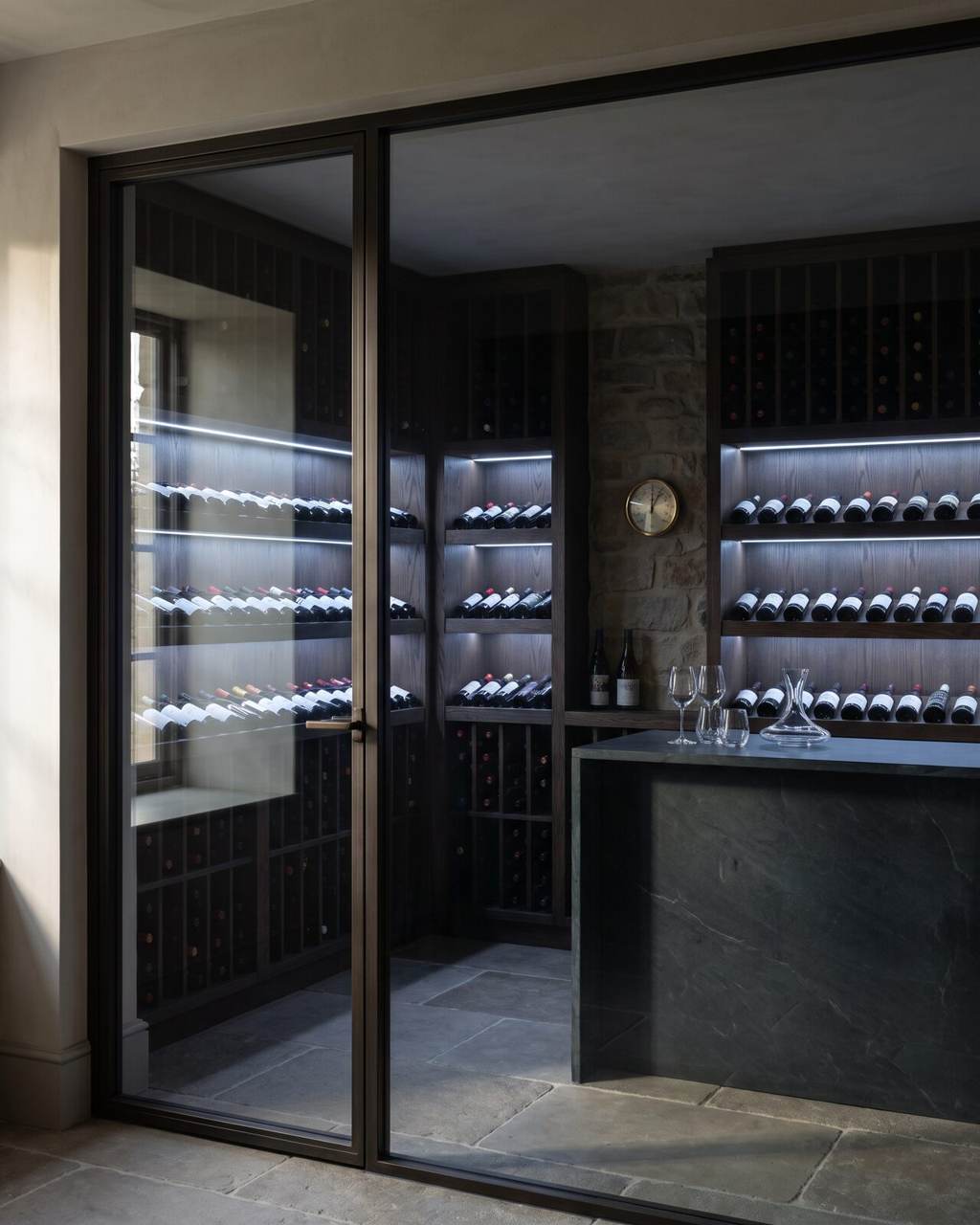
Check wine rooms for steady temperature and humidity, vibration and door seals. Service the cooling equipment and test the alarms before the holidays, when the cellar gets opened a lot more. Cigar rooms, instrument rooms and archive storage may have their own requirements.
Rugs, drapery and upholstered pieces take a beating over a summer with the doors open. Get a professional to look them over, and deal with any moths, damp or stains now instead of waiting for the usual deep clean.
Security and running the estate
A house gets used differently as the seasons change. Darker evenings, holiday travel and guest facilities closing for the year make fall a good time to go over security.
Test the cameras, motion sensors, gate operators, intercoms and outdoor lighting. Trim plants that block camera views or set off sensors. Make sure the monitoring contacts and emergency call lists are current. If there's a guesthouse, pool house, barn or detached garage, each one needs to be in the security and freeze-monitoring plan.
People forget the digital side. Before you run updates on the home-automation system, back up the configuration, because a bad update in a big house is a miserable afternoon. Look at who has admin access and delete the logins for old vendors and former staff. Make sure remote access is set up to current security standards, and that the network itself stays up when the power doesn't.
Whoever runs the house, estate manager or owner, should keep a short record of service dates, warranties, finish specs and preferred vendors. Photograph the labels on major equipment and write down filter sizes, paint colors, stone treatments and replacement parts. Good records protect the property when staff or owners change.
What to fix now and what to plan
A few things can't wait for the cold. Active leaks, a heat zone that's stopped working, anything unsafe in a chimney, a generator you don't trust, exposed water lines. Fix those now. Bigger projects that won't get done this year are still worth designing now.
That could mean a new roof, leak detection, better windows, snowmelt, drainage work or a climate-controlled storage room for art and furniture. Starting design and bidding in the fall lines the work up for the right construction season. It's the same lead time a kitchen or bathroom renovation needs if you want it to start in spring.
If you only get to two things this month, we'd book the heating service and test the leak sensors and shutoff valves. Those cover the failures that can do the most damage while a house sits empty.