
This article contains affiliate links. As an Amazon Associate we earn from qualifying purchases.
The first sign is usually small. A hairline gap opens between floorboards in the front hall, or the piano technician mentions that the tuning has drifted again.
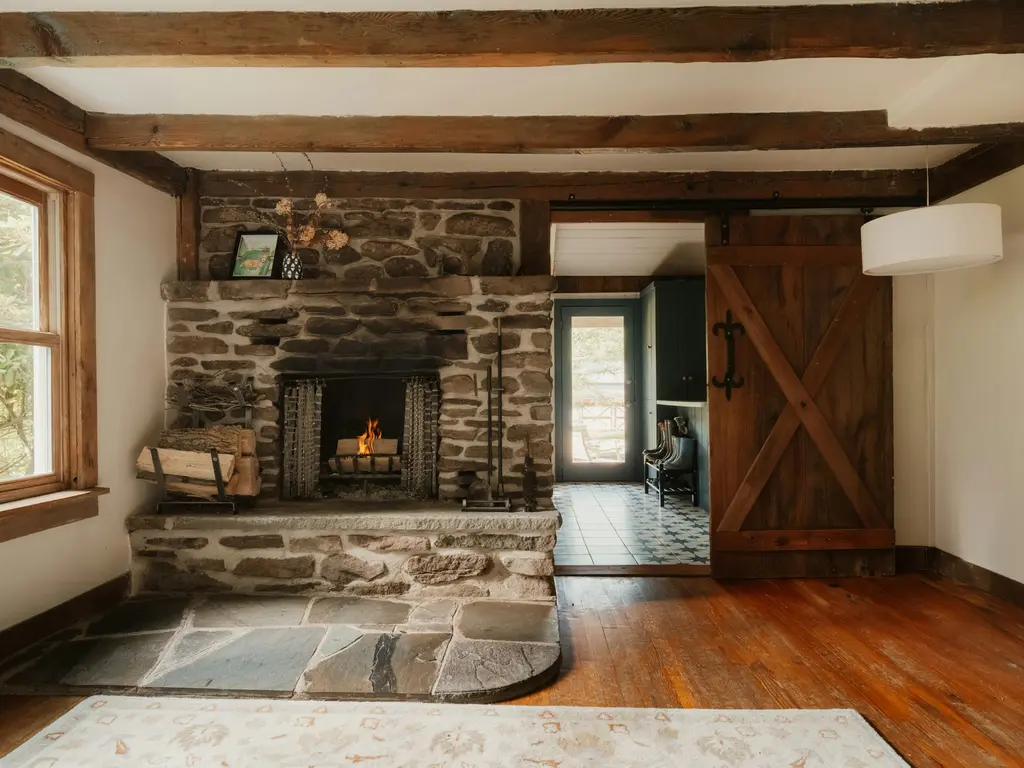
Cold outdoor air holds very little moisture, and once the furnace warms it, the relative humidity inside drops hard. Wood gives up its moisture to that dry air and shrinks as it does. In a house full of wide-plank floors, paneled walls, built-ins and old furniture, that's a lot of wood moving at once.
You can manage it. The trick is to aim for a range and measure it, instead of guessing from how dry your hands feel.
Know the number you're aiming for
The National Wood Flooring Association (NWFA) says wood floors do best with indoor relative humidity between 30 and 50 percent and temperatures between 60 and 80°F, all year. The EPA's guidance on mold lands in the same place for the house as a whole: keep humidity below 60 percent, ideally between 30 and 50.
So 30 to 50 is the target for most rooms. During a hard cold snap you'll sometimes have to sit at the low end, and we'll get to why.
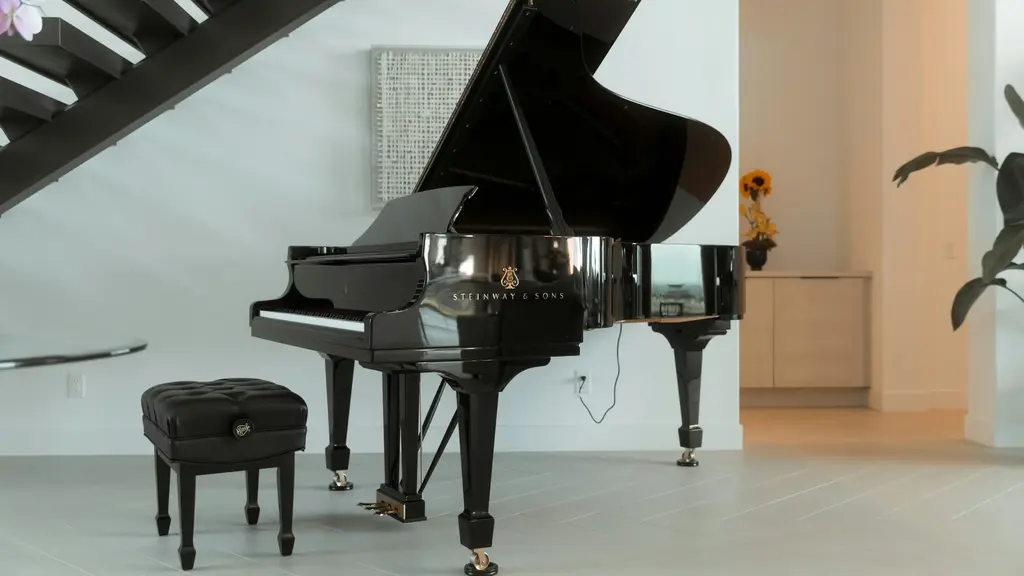
Pianos are fussier. Steinway recommends 40 to 60 percent relative humidity and 68 to 78°F for its instruments, with the piano kept out of direct sun and out of the path of heating and cooling vents. That's more moisture than most houses can hold in January in Minneapolis or Vermont, which is why the music room usually needs its own plan.
Measure before you buy anything
Put a digital hygrometer in every room that matters: the living room with the long run of oak, the library, the room with the piano, and the basement. They're small and inexpensive, and a few of them will tell you more than any thermostat screen.
Read them for a week before you change a setting. Houses are rarely dry evenly. Rooms with a lot of glass or a big supply register tend to run driest, and the basement can still be damp while the second floor is parched.
For a second home that sits empty for weeks at a time, Wi-Fi sensors that send an alert when humidity or temperature leaves a set range are worth having. Our pre-winter systems check for luxury homes covers the leak sensors and smart thermostats that pair well with them.
Whole-house humidification is the real fix
Room humidifiers help in a pinch. In a large house, though, they're a patch, and somebody has to fill and clean every one of them. A humidifier built into the forced-air system treats the whole house and runs from one control.
There are three main types:
- Bypass units use the furnace blower to push warm air through a wetted water panel. Simple, low-maintenance, and fine for a lot of homes.
- Fan-powered units add their own fan, so they put out more moisture and don't need a bypass duct.
- Steam units boil water and inject the vapor straight into the ductwork. They have the most output and can run without the furnace calling for heat, which makes them our pick for a large house, a house heated by heat pumps, or a very dry climate.
Aprilaire and Honeywell Home are the names you'll hear most from HVAC contractors. Whatever you choose, ask for an automatic control with an outdoor temperature sensor. It lowers the humidity setpoint as the weather gets colder, and that one feature takes care of most of the window problem below.
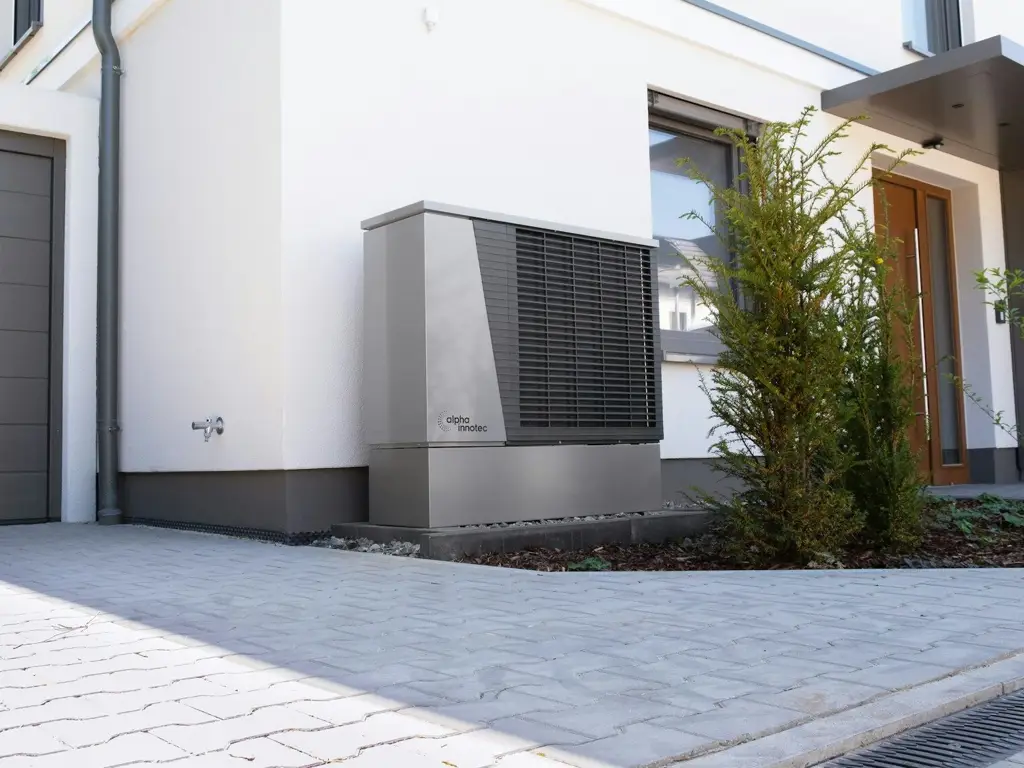
Homes heated by radiant floors or radiators often have no ductwork to work with. There, a standalone steam unit that blows into the room or a few good evaporative room humidifiers is the realistic route.
Watch the windows
Here's the catch. Humid indoor air condenses on the coldest surface it touches, and in winter that's the glass. Push the humidity too high and you get fogged panes, then water running onto the sills, and eventually stained wood and mold behind the drapery.
Window makers have long used a sliding scale based on University of Minnesota engineering studies, for a house kept at 70°F:
- 20 to 40°F outside: no more than 40 percent inside
- 10 to 20°F: no more than 35 percent
- 0 to 10°F: no more than 30 percent
- Minus 10 to 0°F: no more than 25 percent
- Minus 20 to minus 10°F: no more than 20 percent
- Below minus 20°F: no more than 15 percent
Treat the windows as your gauge. A little fog at the bottom corners of the glass on the coldest morning is tolerable. Water pooling on the sill means turn it down.
Lined drapes drawn tight at night keep the glass colder, so a room with heavy drapery will show condensation sooner. Our guide to window treatments for luxury homes in winter covers the linings, and it's worth opening them during the day so the glass warms up.
This is where the floors and the windows pull in different directions, and the windows win. In a Chicago January you may only be able to hold the low 30s without wet sills. That's fine. The NWFA considers gaps that open in winter and close again in summer normal seasonal movement. Steady matters more than high.
Give the piano its own room
If there's a grand piano in the house, treat that room separately. Close it off if you can and run a good evaporative humidifier there, set to hold Steinway's range. Steinway also says the piano shouldn't sit right next to a humidifier, so put the unit across the room and let it work on the air.
Keep the piano off exterior walls and away from floor registers and the hearth. If the fireplace gets a lot of use this winter (our fireplace guide has the setup), give the piano a wall on the far side of the room. Steinway calls for tuning at least every six months, and we'd schedule one of those visits for midwinter, when the instrument is at its driest.
Art, antiques, and millwork
Paintings on wood panel, gilded frames, veneered antiques and inlaid floors all move with humidity, and they crack or lift when the air swings fast. For a serious collection, ask the conservator who looks after it what range they want in the rooms where it hangs, and keep a hygrometer on that wall.
Hang the most valuable pieces on interior walls, away from radiators and supply registers. Never put a humidifier directly under a painting.
Paneled libraries and built-ins show dryness at the joints first. A hairline opening at a mitered corner in February that closes by June is normal. A crack that keeps growing is a job for a finish carpenter.
Keep the humidifiers clean
A neglected humidifier puts more than water into the air. The EPA advises emptying, drying, and refilling portable humidifiers every day, cleaning them every third day, and using low-mineral water such as distilled water. Ultrasonic and impeller ("cool mist") models are the ones most likely to spray minerals and microorganisms into the room, while evaporative and steam types release far less, which is one more reason we'd choose them.
For a whole-house unit, have the HVAC contractor replace the water panel or service the steam canister at the start of each heating season. It's an easy add to the fall furnace visit.
What to do this week
- Put a hygrometer in each key room and read them for a few days.
- Check the floors for new gaps and the windows for morning condensation, and note the outdoor temperature when you do.
- Book your HVAC contractor to service your whole-house humidifier, or to quote one with an outdoor sensor.
- Move the piano away from vents, exterior walls and the fireplace, and book a midwinter tuning.
- Set up humidity alerts in any house that will sit empty over the holidays.
Then leave the setting alone. A winter spent at the low end of the range does less harm than big swings up and down.