

The most valuable room in a luxury home might be the one that changes how the owner feels every day.
As winter gets closer and everyone spends more time inside, a spare bedroom, a formal sitting room nobody uses or a lower-level suite starts to look like an opportunity. With good planning it can become a private space for movement, recovery and rest, built around the routines of the person using it. That's a different thing from a generic home gym.
We'd put it this way. Count the machines and you've missed it. A wellness room earns its space if it makes a good habit easier to start and more pleasant to stick with.
Start with the routine
Before you design anything, find out what wellness means to whoever's going to use the room. For one owner it's strength training and recovery. For another it's yoga, meditation, massage or an hour without a screen. A couple might want different things at different times of day.
So write out the routine, step by step, before an architect draws anything. Maybe it's stretching, then the Pilates reformer, then a session in the infrared sauna. If there's a cold plunge, you'll want a shower and towels right beside it. Early-morning meditation means you care about darkness and silence. A trainer or therapist who visits may need a separate door and a cupboard for their things.
Doing this heads off the most common mistake, which is filling the room with impressive equipment and forgetting about circulation, acoustics, storage and atmosphere. The best wellness rooms feel calm because everything in them has a reason to be there.
Pick the right room
A room can look convenient and still be wrong for the job. Check structural capacity, ceiling height, ventilation, plumbing, waterproofing and how much noise travels.
A Pilates or yoga studio wants even natural light, privacy and open floor. A strength room may need a reinforced floor, acoustic isolation and a way to get heavy equipment in. A sauna, steam shower or cold plunge brings moisture, heat and mechanical needs that call for experienced design and engineering, plus the same wet-room detailing a serious bathroom demands.
Lower levels offer privacy and steady temperatures, but they need excellent lighting and air or they feel like a basement. A garden room or an old guest suite might have a view worth keeping. A space near the primary bedroom makes daily use easy, as long as sound and humidity are properly contained.
Anyone into cold plunges or outdoor bathing should look for a suite that opens right onto a private courtyard. The walk outside turns into part of the routine, and it's one more argument for making the terrace work in cold weather.
Rooms for movement
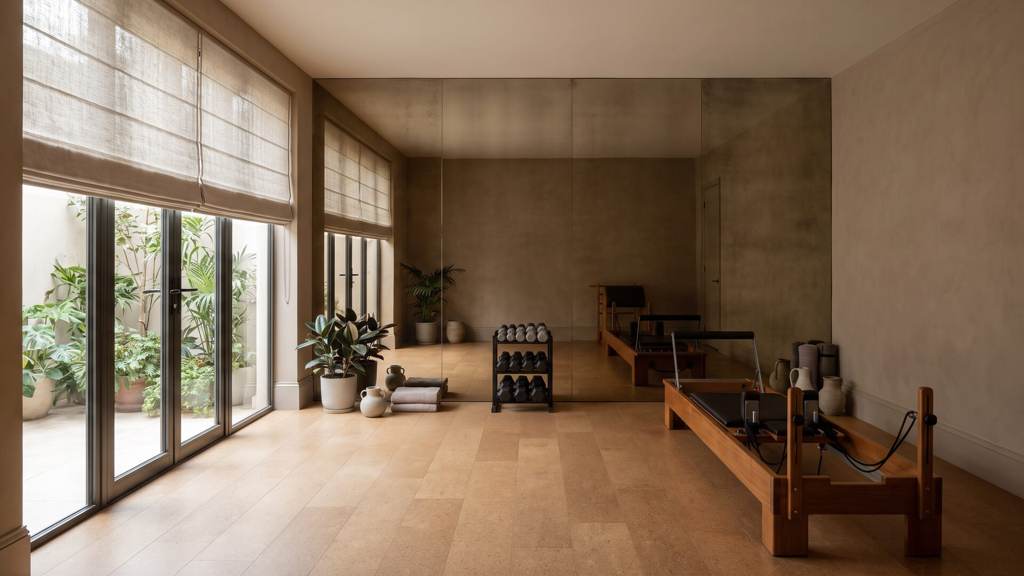
A movement room should feel roomy even with the equipment in it. Leave clear space around a reformer, a weight bench or a training station. Full-height mirrors help with form, but they don't need to cover every wall. Bronze-tinted or antiqued mirror fits better in a house, and panels that close over the mirrors let them disappear when the room's being used for meditation.
Pick the floor for the activity. Natural rubber or cork gives some spring and helps with sound. Wood is warm for yoga and dance but may need protective zones under equipment. Stone looks beautiful around saunas and bathing areas, as long as it's slip-resistant and heated.
Plan storage from day one. Built-in cabinets can hide weights, mats, towels, bolsters and small devices. Ventilated sections let damp things dry, and a charging drawer keeps cords from taking over. If the equipment is going to be on show, keep the palette simple and the finishes consistent so the room looks like part of the house. You don't want it to look like a hotel gym.
Recovery, start to finish
Recovery has moved to the center of private wellness design. Saunas, steam rooms, cold plunges, massage tables and compression systems can all be worth having, but they have to be chosen for the person using them. Collecting amenities for their own sake misses the point.
Traditional and infrared saunas feel different and install differently. Size the room for the number of people who'll use it regularly, then think about bench comfort, lighting, controls, ventilation and what happens after you step out. A beautiful sauna that takes forever to heat or is fiddly to run will sit unused.
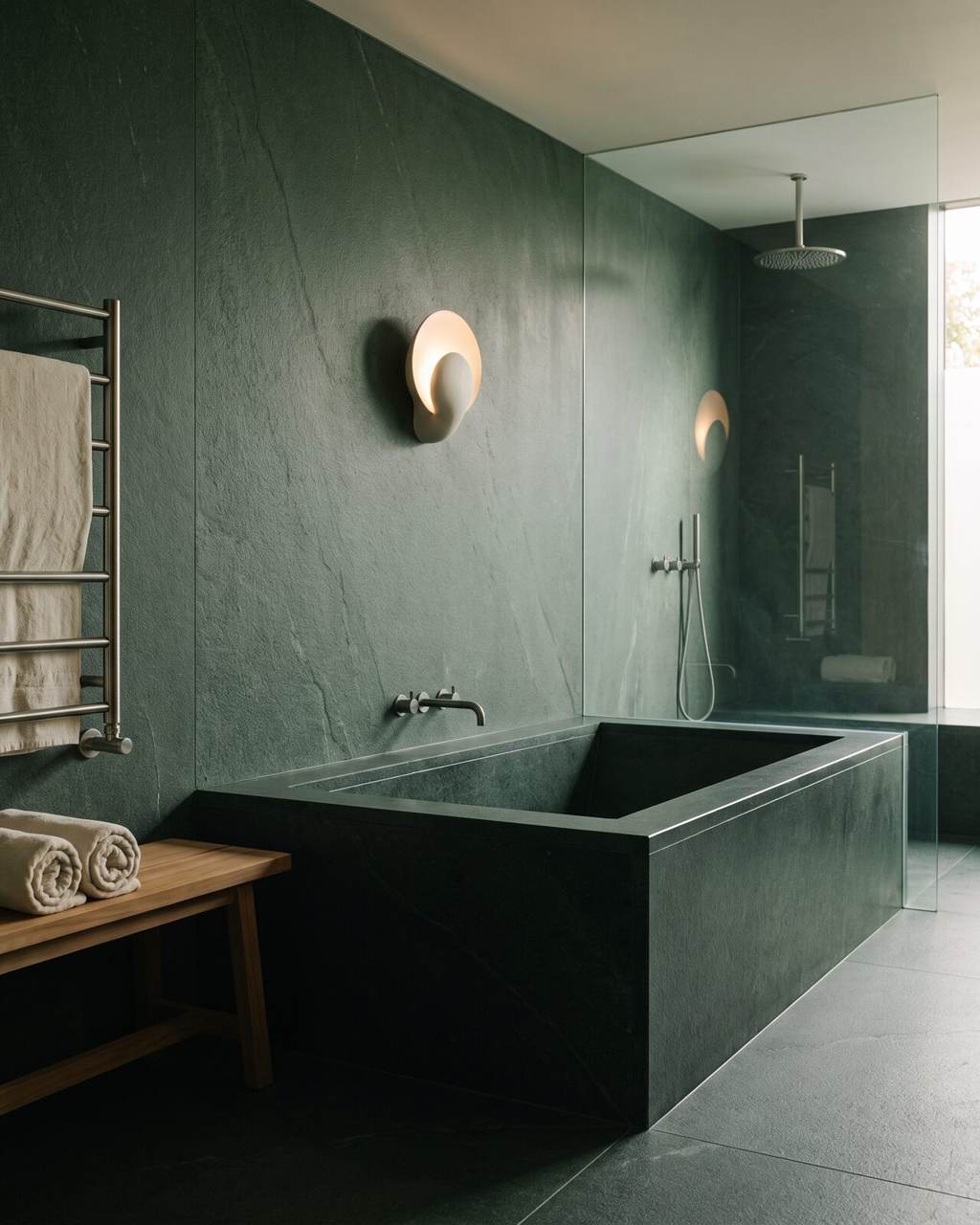
Cold plunges need careful attention to filtration, sanitation, condensation and service access. The route from the plunge to the shower should be short, safe, slip-resistant and private. Heated floors, a towel warmer and a comfortable place to sit keep the whole thing feeling restorative. Without them it can feel clinical.
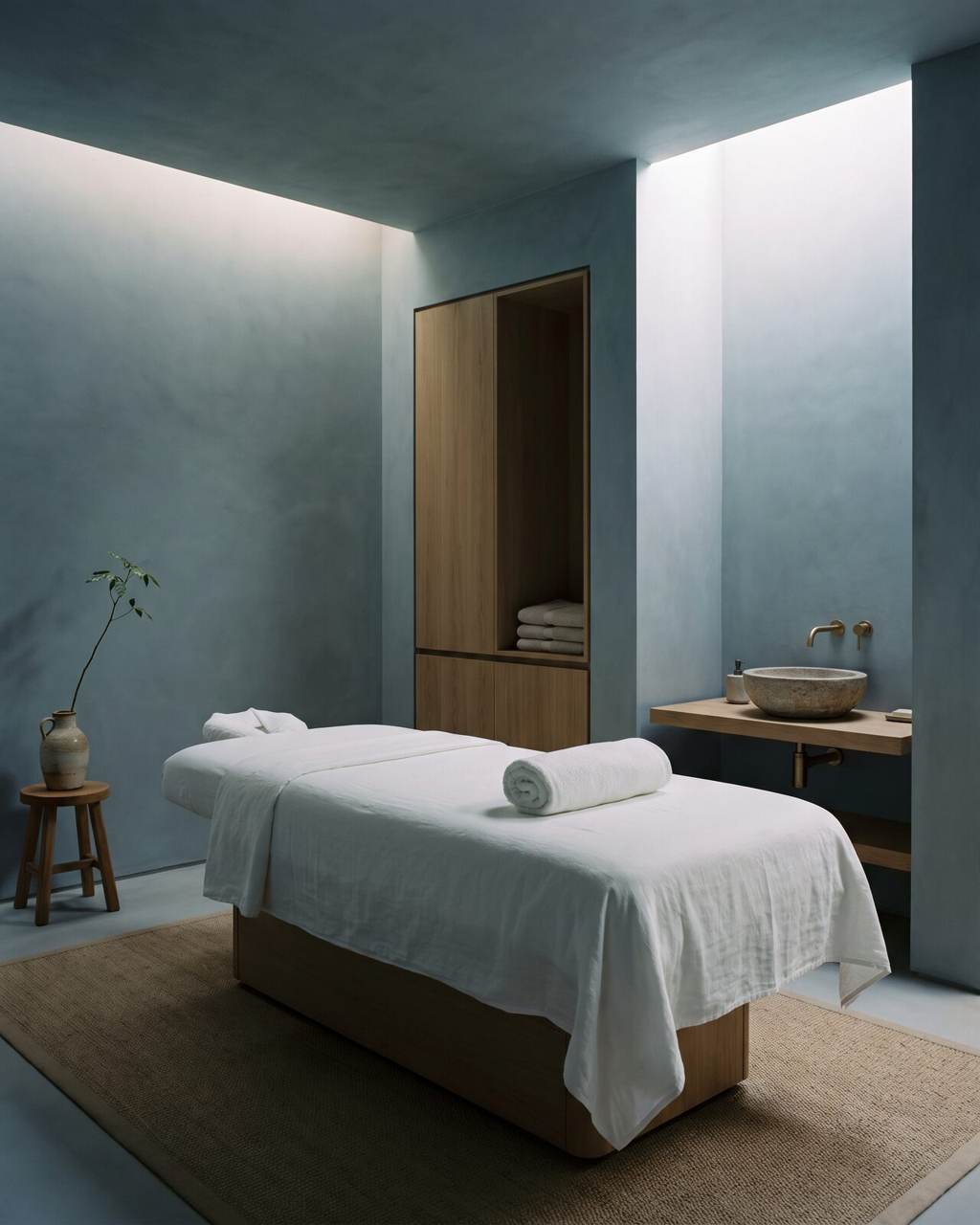
A massage room needs more than a table. Leave room for the therapist to move around, and add dimmable light, a sink for handwashing if you can fit one, hidden storage and low-noise ventilation. Good acoustic separation keeps mechanical noise and the rest of the household from breaking in.
Air, water and light
What you can't see decides how restful a room feels. Ventilation should bring in fresh air without noise and respond to heat, moisture and how many people are in the room. Filtration helps with particulates, and humidity control protects both comfort and finishes. Any special air-quality setup should tie into the house's existing mechanical system. A stand-alone gadget in the corner isn't the answer, and once the system's in, it goes on the seasonal service list.
Water quality matters in showers, steam rooms and baths. Whole-house filtration or point-of-use systems may make sense depending on the local water and what the owner cares about. Keep the equipment where it can be serviced, and put filter changes on the maintenance schedule.
Lighting should change over the day. Bright light with good color rendering suits a morning workout. Softer, warmer light suits evening recovery. Indirect ceiling coves, wall washers and hidden linear fixtures are usually more calming than a grid of downlights.
Motorized shades give privacy and keep the daylight. A meditation room might need full blackout, while in a movement studio glare control probably matters more. A handful of simple scenes (energize, train, recover, meditate) beats complicated controls, and a properly designed control system should put each one on a single button.
Acoustics
A room can't feel restful if every footstep, hum or conversation comes through the walls. Sound control starts with construction: insulated partitions, isolated ceilings, solid doors and resilient floor assemblies.
Inside, upholstered panels, textured plaster, drapery and rugs soak up echo. None of it has to look like a recording studio. It can be built into the millwork or hung as textile art. The principles are the same ones a private cinema uses, pointed at silence this time.
You can use sound on purpose, too. A low, even audio system can play guided sessions or music with no speakers in sight. Some people would rather hear water, or nothing at all. Either way you have to keep outside noise out.
Materials and color
Wellness rooms often get reduced to pale wood and beige stone. Calm doesn't have to look like every other spa. The palette should reflect the owner and the setting.
Limewash, clay plaster, wood, natural stone and woven textiles feel calm to the touch. Deep green, warm brown or mineral blue can feel more restful than white, especially in rooms used at night, a point the new fall palette makes for the rest of the house. Keep visual clutter down, but allow one or two things people will remember: a veined stone wall, a sculptural light, a garden view or a commissioned piece of art.
Pretty isn't enough, either. A wet room needs a proper membrane, good drainage and a floor that isn't slick. Pick wood that's rated for the heat and steam it'll get. Around the gym equipment, choose finishes that can be banged and scrubbed every day without starting to look like a school locker room.
Bringing nature in works best when it's real. A framed view of big trees, doors onto a private garden or one large plant does more than a crowd of decorative greenery.
Privacy and keeping it simple
Wellness tech can be useful, but it shouldn't run the room. Screens, controls and chargers can be hidden when they're not in use. Think hard before putting cameras or voice assistants in a room meant for privacy.
Some of the people using this room won't live in the house. If a trainer or massage therapist comes twice a week, sort out their parking, their entrance and their route to the suite, and give them a powder room nearby and some lockable storage. The family gets its privacy back.
The controls should be simple enough that nobody needs staff to use the room. One-touch scenes for light, temperature, shades and audio take the friction out. The technology is there so the routine just becomes part of the day.
Plan for yourself in five years
A wellness room should be able to change as routines and needs change. Leave open floor instead of building every machine into the architecture. Put blocking in the walls for future rails or equipment, and consider wide clearances and an accessible shower from the start.
Flexible cabinets, plenty of electrical capacity and plumbing you can get to make later changes easier. Today's movement studio might become a rehab space later on, and a massage room could turn into a small office or a caregiver's suite.
If we were starting from scratch, we'd spend first on ventilation and acoustics. Those are the hardest things to fix once the walls are closed.